
Understanding the SEO Metrics: What to Monitor and Analyze
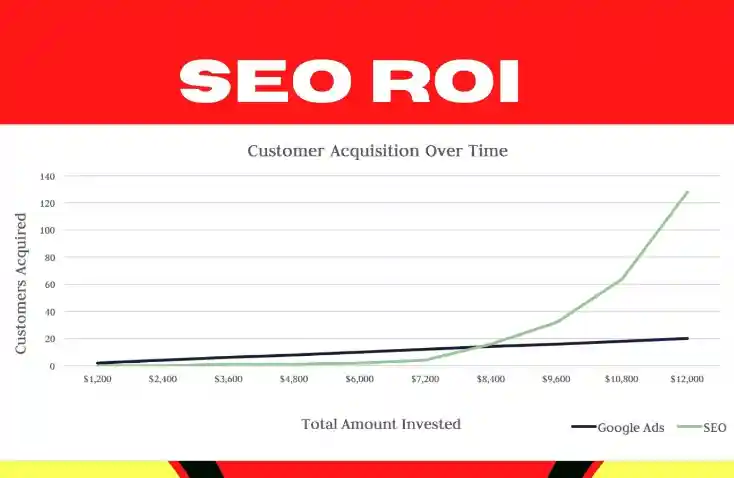
Are you struggling to drive traffic to your website? Arent your SEO efforts working? Well, that’s where SEO metrics come into the picture. SEO metrics help you measure the effectiveness of all your SEO efforts.
What is SEO ?
SEO or Search Engine Optimization is the process of optimizing various aspects of a website including its technical configuration, content etc. so that its pages are easily visible on the Search Engine Results Page (SERP). This means that SEO will help ensure that whenever anyone searches for something related to your business, your website will appear high on their search results.
What are SERPs?
When you search for something on any search engine, be it Google, Bing, it shows you a list of the results. The page in which these results are shown is called SERPs. Search engines favor SEO efforts that benefit the user and the page’s ranking alike, and the higher your website appears on the search results, the more visible it is to visitors.
The higher your website appears on the SERP, the more chance it has to be visible to potential visitors. But the thing is that each SERP is unique and shows different results if you search for the same queries using the same keywords in each of them. To master SEO, you need to have a clear understanding of SERPs so that you can optimize your websites accordingly.
What is SEO Metrics?
SEO metrics are the numbers that are used to measure the success of SEO Strategies. They show how well a website is visible in the search results and how much traffic a website gets from these search engines. They also give us an understanding of how users interact with your website, for eg. if they are engaging with it or not. This helps you understand if your website has reached the right target audience – and if the visitors have the potential to become clients. This helps you understand if the website has any technical issues.
Most Important SEO Metrics
Let us look into some key SEO metrics to track to understand the success of your website. Other websites tend to link to your pages when they feel that your page provides value and want to share your content.
Backlinks
Backlinks are links from other websites that are directly linked to your website. Also called inbound links, backlinks can drive traffic to your website and give your website a lot of credibility. For search engines, backlinks from authoritative and credible websites mean that your content is valuable and trustworthy. Also, backlinks from websites that are more relevant to the topics on your website are considered more valuable.
Another important thing about backlinks is that not all of them are created equal. Some of them have more value than others and a few good backlinks from relevant websites have a better impact than numerous ones from low-quality websites that are irrelevant. Also, natural backlinks that are obtained organically are more valuable than those that are obtained through manipulative or spammy tactics. Search engines like Google also look at the quantity and quality of backlinks when they rank websites in search results. Websites with higher-quality backlinks have a higher chance of getting ranked on top of the SERPs for relevant queries.
Domain Rating (DR) Or Domain Authority (DA)
Domain Rating (DR) and Domain Authority (DA) are metrics used by SEO tools Ahrefs and Moz respectively to evaluate the authority or strength of a website’s domain by assessing factors like the number of quality backlinks etc. to estimate how well a website is likely to rank in search engine results. They evaluated on a scale of 0 to 100.
Indexed Pages
Search engine bots, also known as spiders, continuously browse websites and their pages by following links from one page to another. When they come across a new webpage or a link to a new page, they add it to be evaluated. The search engine then analyzes the content, structure, and other factors to evaluate its relevance and quality. If it is good enough, it is added to the search engine’s index, making it available to the database.
Indexed pages refer to web pages that have been discovered and added to a search engine’s database, making them eligible to appear in search engine results pages (SERPs) when users enter relevant queries. When a search engine indexes a page, it means the page has been crawled by the search engine’s bots and analyzed for content and relevance. It is then added to the search engine’s index so that when someone enters a search query, the search engine retrieves the relevant pages. The chances of a website appearing in search results for queries increase when the number of pages increases.
Impressions
The number of times a website page appears in search results in a particular period of time (day, month, or year) is called impression. It helps you understand how often your target audience sees your site in searches and as a result, identifies changes you can make in its positioning and visibility over time.
Overall Website Traffic or Page Views
A basic metric for assessing the popularity and engagement of a website, overall website traffic or page views gives you an understanding of the total number of visits and views that a website gets within a particular time.
Organic Search Traffic or Organic Clicks
Organic search traffic and organic clicks are the number of visits a website receives as a result of unpaid search engine results. Organic search traffic suggests how a website performs in search engine rankings
Click-Through Rate (CTR)
Click-through rate (CTR) refers to the percentage of users who click on a specific link, ad, or search result out of all those who saw it in their search engine results. It is calculated by dividing the total number of clicks on the link by the total number of people who were shown in the search results. It is used to measure the effectiveness and relevance of the CTA and search results.
Click-through rate is the percentage of users who click on a specific link, ad or search results out of the total number of users who view it. It’s a measure of the effectiveness and relevance of a call-to-action or search result snippet. It can tell you how well your content resonates with users and attracts them to your website.
Bounce Rate
Bounce rate refers to the percentage of visitors who visit your site and leave quickly without interacting much or visiting the other pages. It is calculated by dividing the number of people who leave by the total number of people who visit. A high bounce rate means that your website is not resonating with the audience.
Conversions
Conversions are the desired actions that visitors take on your website like making a purchase or filling out a form etc. It shows how convincing your website and its CTAs are at encouraging the visitors to complete a desired action. It can help understand which part of your sales pitch is working and which part needs to be worked on.
Organic Keyword Rankings
Organic Keyword Ranking refers to the number and position that keywords on your website hold in the SERPs. Monitoring them gives you an insight into which keywords are relevant and can drive organic traffic to your site.
To sum it up
There are a number of metrics that tell you how to measure SEO success besides the ones mentioned above including referring domains, organic traffic value and many more. The power of SEO metrics is not on how many you use but on how they are applied. It is always a good idea to consult an agency with the best SEO services to help you out.